Data Center Consulting

P&C Global's Data Center Consulting Services

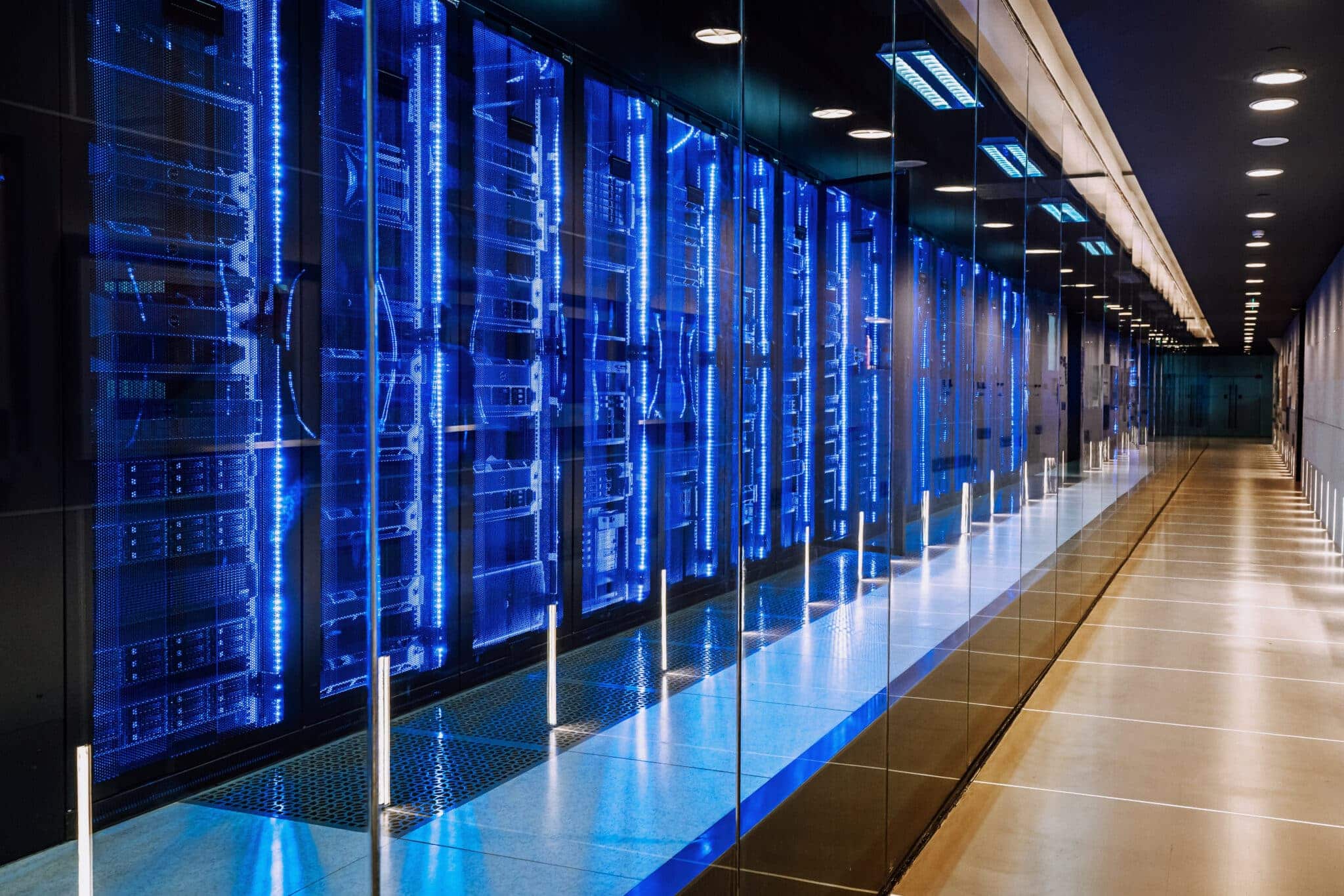
Data center consulting matters when the capital plan no longer aligns with workload demand. AI training and inference loads have reset the power –and cooling envelope most enterprise facilities were originally engineered to deliver. The CIO defends the colocation-versus-owned mix to the audit committee. The CFO asks why the existing capex schedule no longer ties to the workload forecast. What leadership needs is a defensible capacity baseline across the footprint, a modernization sequence operators can execute through a multi-year window, and power-use and resilience telemetry leadership is reviewed alongside operating performance — not as a separate sustainability exercise added at quarter-end.

Where data center programs stall on power, capacity, or sustainability disclosure, P&C Global’s data center consultancy treats the footprint as a strategic capital and operating asset the business runs on — not a facilities expense the real-estate team manages. We open with a maturity read on where capacity, power density, cooling headroom, and sustainability reporting diverge from the workload trajectory. Sometimes AI rack profiles outpace the existing facility’s thermal envelope. Sometimes sovereign residency rules force a placement decision the prior cycle’s contracts cannot carry. The engagement delivers sustained capacity, total-cost-of-ownership, and resilience outcomes the executive team defends across the rollout. Six decisions move in order between those bookends: diagnose, define, model, roadmap, govern, measure. Each is tied to measurable operating and financial outcomes leadership has committed to defend.

Data Center Challenges Facing Industry Leaders

AI rack-power density, sustainability disclosure pressure, and sovereign residency rules now converge across most data center programs — and they pull infrastructure strategy in competing directions. Workload demand and latency budgets outpace existing footprint capacity. Power, real-estate, and capex pressure reshape the underlying economics. Aging facilities and cooling constraints limit growth in the very regions the workload needs. Migration risk threatens service levels through each move. Capacity and PUE telemetry gaps weaken the investment decisions the operating committee underwrites. Sustainability reporting tightens disclosure pressure on facilities never built for public PUE numbers. A data center consultancy built for this enviroment treats capacity planning and sustainability reporting as a single capital-planning discipline, not two.

Older woman discusses Practice Mix Optimization Consulting across a modern conference table.

AI Power & Cooling Demand Shocking the Footprint

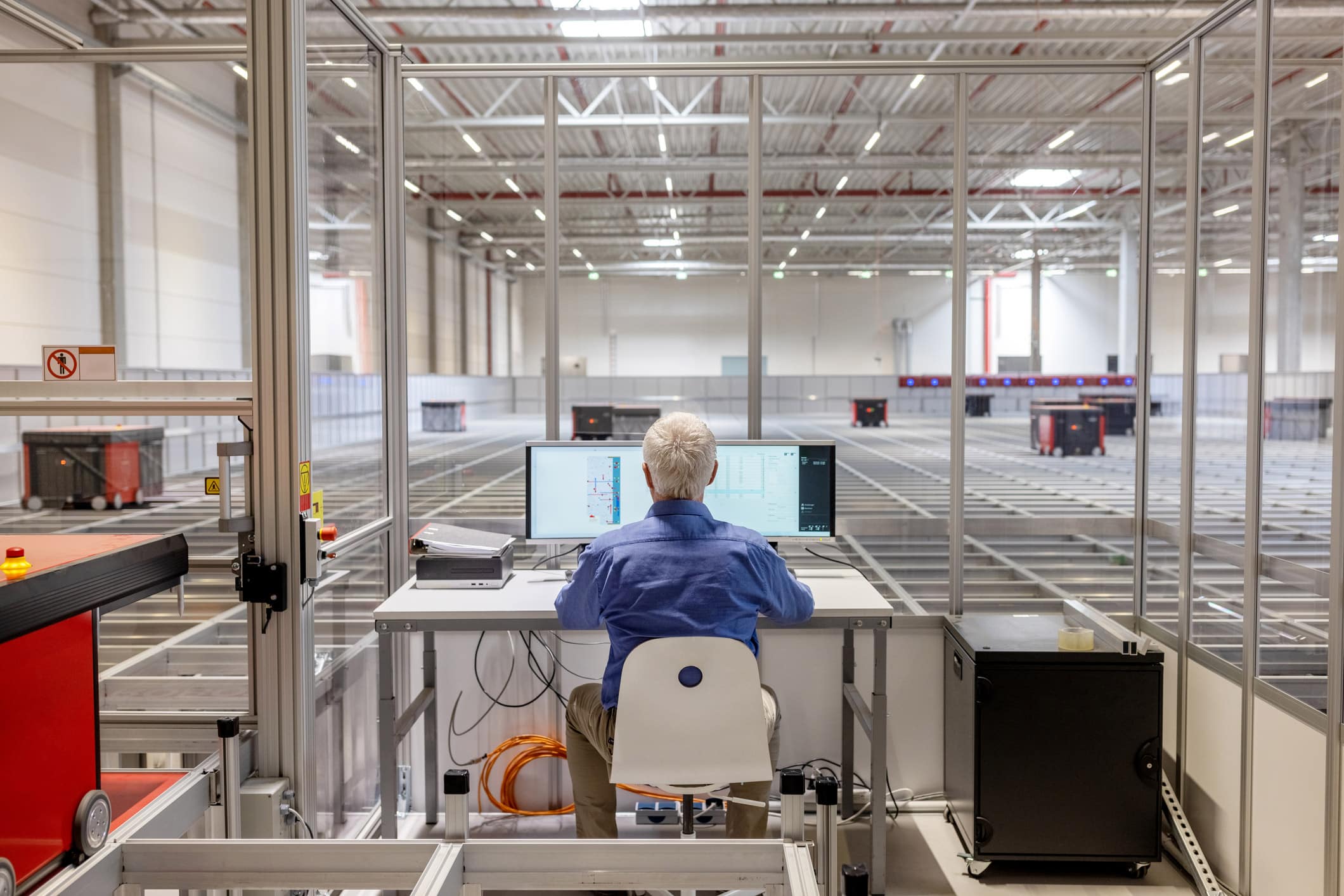
Workload demand and latency budgets outpacing existing footprint capacity is the pressure most facilities directors feel before any other. AI workloads materially increase rack-level power and cooling requirements and a liquid-cooling approach in facilities originally designed for air cooling, and the workload owner is already asking for capacity in the region where the facility cannot deliver it. The constraint appears simultaneously across electrical supply, cooling infrastructure, and thermal management. And none of which scale on the timetable the workload commitment requires.

Law Firm Operations Consultants discuss strategies on a tablet in a modern office hallway.

Capacity & Tier-Standard Misalignment Stalling CapEx Plans

Power, real-estate, and capex pressure are reshaping data center economics and forcing capacity decisions into executive review. New build, retrofit, and colocation each carry different capital profiles and timelines. Tier commitments made under the prior cycle no longer match the resilience the workload portfolio now requires. The retrofit-versus-new-build decision sits adjacent to a broader IT modernization decision leadership has yet to land.

Law firms discuss resource optimization during presentation in a consulting firm’s conference room.

Colocation, Owned & Sovereign Mix Complicating Topology

Aging facilities, power density gaps, and cooling constraints become acute when the workload portfolio needs latency-sensitive capacity in a region where the owned footprint is already power-constrained. Procurement starts pricing colocation against a new build. Sovereign residency rules pull part of the portfolio into a third bucket. Infrastructure topology becomes a portfolio-level decision the facilities team is no longer empowered to answer on its own.

Man pointing at laptop screen during a Law Firm Financial Management meeting with colleagues.

Sustainability & PUE Disclosure Pressuring Operations

Sustainability and PUE disclosure has become a mainstream executive issue. Public PUE, water-usage effectiveness, and embodied-carbon numbers now appear in audit-committee reporting alongside availability. Facilities teams not originally structured for public disclosure are being asked to publish, and the same disclosure drives demand for cloud consulting work that brings PUE and emissions reporting into the topology decision.

Two businessmen in suits discuss with Law Firm Expense Management Consultants in an office hallway.

CapEx, TCO & Capacity Forecast Obscuring Investment Cases

Capacity, utilization, and PUE telemetry gaps obscure inefficiency behind dashboards that lack decision-grade visibility but cannot defend the total-cost-of-ownership view the CFO is now being asked to publish. Utilization remains inconsistently measured. PUE reads as a facility-team metric rather than a workload-portfolio metric. The capex forecast becomes a budgeting exercise the executive team approves rather than a model the operating committee uses to steer the workload mix.

Three people in a law firm expense management meeting, with a woman listening intently.

Resilience, Recovery & Audit Exposing the Capacity Risk

Resilience, recovery, and audit requirements add additional pressure alongside capacity exposure and CapEx pressure. Recovery window assumptions made under the prior topology no longer match what the business actually needs during a regional outage, and the cost of waiting until cutover to find out has gone up. Tier commitments, disaster-recovery obligations, and operational-resilience rules now sit alongside CSRD and SEC climate disclosure — the audit committee wants one integrated capacity and resilience view, not five. Most facilities organizations were not structured to produce that single view, which is the gap the engagement closes.

Our Approach to Data Center Consulting

Capital-disciplined data center programs follow six sequenced decisions, each tied to capital-allocation decisions rather than project milestones. Each stage is tied to a capital, operating, or resilience number leadership commits to defend. A defensible capacity and PUE baseline is established across the footprint before topology principles are set. Workload placement decisions are finalized the build-and-migrate plan is sequenced. Power, cooling, and sustainability controls are established before the utilization and PUE tracking the management cycle ultimately enforces. Senior data center consultants from P&C Global work alongside the client’s CIO, COO, and facilities leadership, with each stage owned by a practitioner who has managed similar programs through multi-year capital cycles.

Three businesspeople discuss witness preparation at a meeting table with laptops and coffee.

Data Center Maturity Diagnostic & Baseline

The engagement begins with a diagnostic. The team produces a footprint, capacity, and PUE baseline that assesses each site's position on power density, cooling headroom, utilization, and reporting maturity against the workload portfolio the business supports. This baseline integrates with the broader IT infrastructure strategy the C-suite already runs, so capacity and resilience choices show up in the leadership scorecard alongside the application and platform agenda.

Businessman leading a meeting on forensic litigation, graph chart displayed on screen behind them.

Capacity Strategy & Architecture

Principles follow. Owned-versus-colocation balance, regional residency, tier commitments, and sustainability targets converge in a small set of topology principles the data center consultancy defends as exceptions surface during the capex window. These principles also guide procurement decisions when colocation bids land mid-cycle. Workload placement decisions get an explicit owner, and tier commitments tie to actual resilience requirements across the workload portfolio.

Aerial view of industrial buildings with solar panels on rooftops under a partly cloudy sky.

Workload, Site & Cost Modeling

Modeling translates principles into operating reality. Data center consultants complete capacity, power, and cost modeling across sites to determine workload placement, what each site costs to operate, and overall failure-domain exposure. Blast radius assumptions and recovery window targets are explicit. The model integrates with FinOps so unit-economics signal flows from the cloud commitment forecast into the on-premises capex decision.

Man presenting a slideshow on Law Firm Marketing Execution in a modern conference room meeting.

Capacity Roadmap & Build / Migrate Plan

Roadmap sequencing follows. The team locks the modernization, migration, and capacity roadmap, with migration waves sequenced by dependency and readiness gates named per workload. Cutover dates are assigned to the operations leader carrying the service-level commitment. Rollback paths are agreed before each move begins, so operational risk remains within accepted tolerance thresholds the audit committee already accepts and capacity commitments remain aligned during transition.

Businesswoman handshake after contract signing

Power, Cooling & Sustainability Governance

Implementation integrates site, sustainability, and reliability controls into a unified governance model. PUE, water-usage, carbon-intensity, and reliability metrics operate within a unified reporting framework. Identity controls and physical-security controls converge where operational technology meets IT, and the cybersecurity practice leads control design in parallel with the facility team's build work rather than being retrofitted after deployment.

Woman presenting Law Firm BPM Change Enablement to colleagues, charts displayed behind her.

Cost, Uptime & Data Center Outcomes

Measurement and governance complete the operating model. After the new topology is operating, the core operating metrics become utilization, PUE, and the data center outcome view itself. Total cost of ownership across the footprint, PUE and water usage, uptime against tier commitments, and capacity headroom are integrated into the operating-review process so finance, facilities, and IT own the same numbers. Operational improvements begin during implementation rather than being deferred to later operational phases.

Outcomes Clients Can Expect

  • Stronger total cost of ownership across owned, leased, and colocated capacity matched to the workload portfolio rather than to last cycle’s forecast.
  • Sharper capacity-to-demand alignment for AI workloads and core business systems as topology decisions land at the executive review.
  • Higher operator productivity and lower on-call burden across the facility footprint as tooling and reporting absorb the operational load.
  • Better power usage effectiveness and uptime against tier commitments as governance controls and operations run on a single review schedule.
  • Cleaner capacity, residency, and disaster-recovery readiness under regulatory disclosure as the reporting layer reaches audit-ready quality.

Why Data Centers Matter Now

Two structural shifts have moved data center strategy from optional to essential on the executive agenda. AI training and inference demand has reset the capital plan and forced enterprises to rethink colocation, sovereign, and on-premises-versus-hyperscaler placement decisions made in the prior cycle. GPU-intensive workloads require power and cooling profiles most legacy facilities cannot accommodate without significant retrofit or new build. Sovereign data and regional residency rules have made geographic placement a strategic constraint, not just an operational one. Sustainability disclosure under CSRD and SEC climate rules has put PUE and water usage in the public reporting line for the first time, bringing facilities operations into the same reporting cadence as the financial close. Capital discipline weighs more heavily on the current cycle, yet the AI workload thesis still drives the business case — which is why data center consulting services are increasingly being evaluated through a unit-economics lens.

Align Data Centers with P&C Global

Engagements with P&C Global on data center consulting are structured to deliver the capacity, PUE, and resilience outcomes the C-suite committed to through the capex window — not a recommendations deck deferred to later operational phases.

Frequently Asked Questions — Data Center Advisory

Success Stories

A dynamic showcase of P&C Global’s transformative engagements and the latest industry trends.

Demonstrated Outcomes. Significant Influence.

Witness the remarkable achievements we’ve enabled for ambitious clients.

singaporeAirlines white

Advancing Aviation Excellence with Service & Innovation

Client Outcomes Listing
Further Reading

Major Luxury Retailer Transforms IT Operations for the Digital Age

Client Outcomes Listing
Further Reading
carrefour white

Transforming Urban Retail: AI-Driven Solutions for Seamless Shopping

Client Outcomes Listing
Further Reading
Beko white

Transforming Kitchen Efficiency with Advanced Self-Cleaning Technology

Client Outcomes Listing
Further Reading

Our Insights

Research & Insights
From Occupancy to Affiliation: The New Economics of Luxury Hospitality
Further Reading
Research & Insights
AI Agents & Autonomous Workflows: Redesigning Enterprise Execution
Further Reading
Research & Insights
Aviation Strategy: Turning Constraints into Advantage
Further Reading
By using this website, you agree to the use of cookies as described in our Privacy Policy