Variable Real-World Conditions Hard to Model Reliably
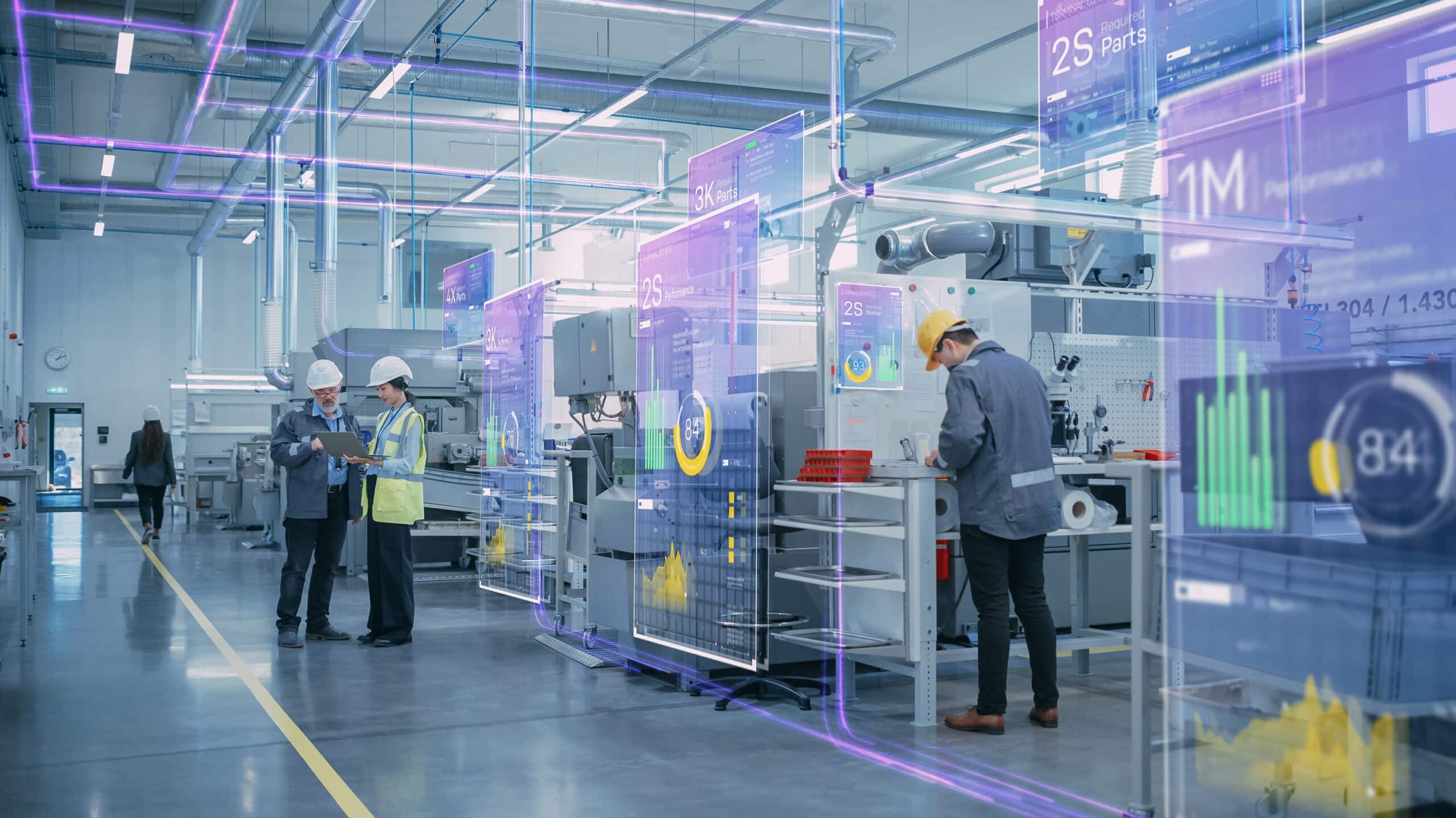
A vision model learns the world it was shown, and the physical world refuses to hold still. Sunlight moves across a bay and changes every image the camera captures; a supplier alters a coating and yesterday's defect signature disappears; winter condensation blooms on a lens nobody has checked since summer. Accuracy that was real in the pilot decays quietly under conditions no one thought to include. The gap between laboratory performance and Tuesday-afternoon performance is the defining engineering problem of the field.

Few Labeled Images to Train Reliable Models
Vision models are hungriest for exactly the images that are rarest: the defects. A line producing at high quality may see a critical flaw a handful of times a year, and the manufacturing quality records that do exist were kept for compliance, not labeled for training. Sound machine vision consulting treats data scarcity as the first constraint to engineer around — synthetic imagery and augmentation stretch a small set, but only discipline in collection and labeling makes a model worth trusting.

Legacy Cameras & Hardware Unfit for AI Vision
Most operations already own cameras — installed for security, compliance, or an earlier machine-vision generation — and almost none of them suit modern models. Resolution too low to resolve the defect, angles chosen to watch people rather than product, lighting designed for human comfort, and controllers with no compute to run inference. The instinct to reuse the installed base is financially sensible and usually technically wrong; knowing which cameras can be salvaged, and which placements must be rebuilt around optics, is where capital is either preserved or consumed without corresponding value.

Business, IT & Data Teams Owning Pieces Separately
A vision system crosses more organizational borders than almost any other AI: operations owns the process being watched, engineering owns the cameras and lighting, IT owns the network and compute, data science owns the algorithms. Each optimizes its piece, and the seams show up as a system nobody can fully explain — where there is no shared IT architecture decision about where images live, who may change a threshold, or which failure belongs to whom. The technology integrates pixels; someone still has to integrate the owners.
Scarce Computer-Vision & Edge-AI Talent
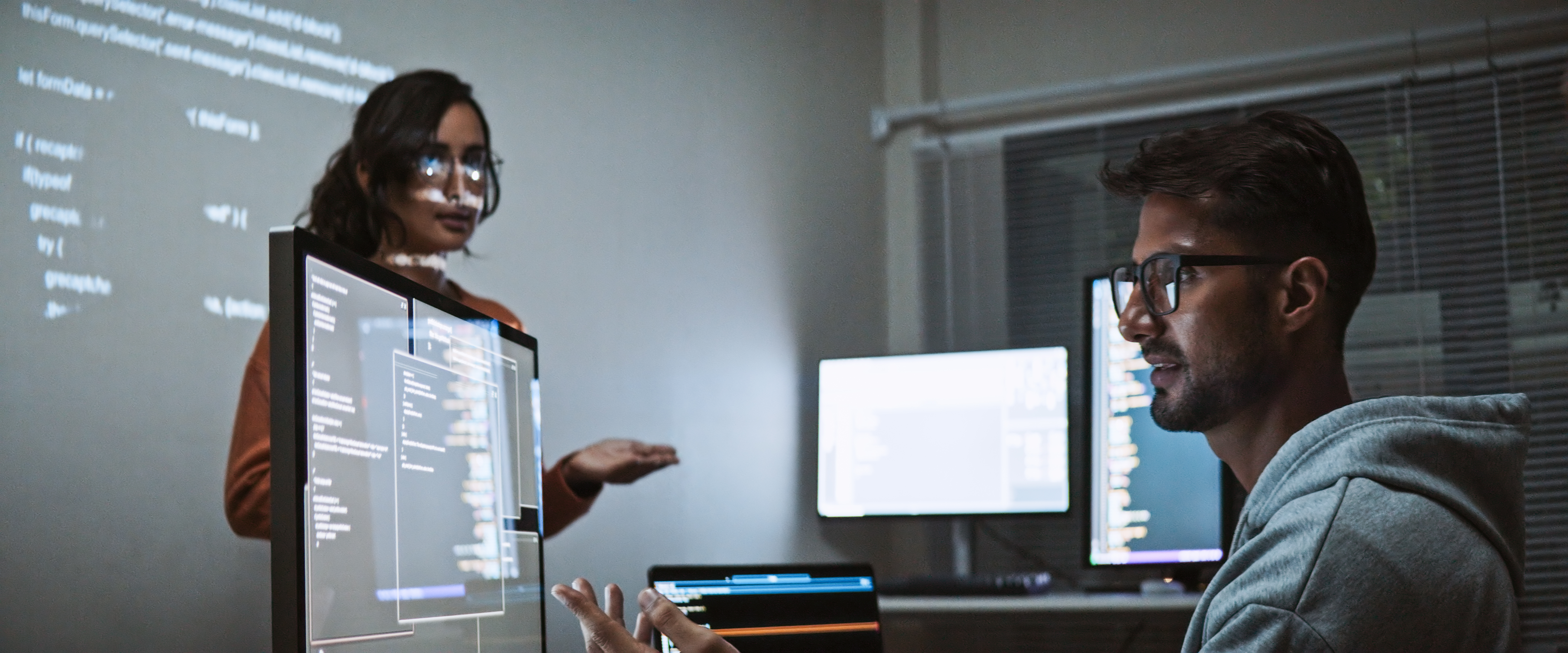
The complete skill set — optics, lighting, model development, and the edge engineering that makes inference run beside the process — almost never lives in one person, and teams that hold all four are rarer than the vendors implying otherwise. General data scientists underestimate the physics; automation engineers underestimate the models. The shortage bites hardest after go-live, when the system needs someone who can tell a lighting problem from a model problem from a lens problem — three failures that look identical on a dashboard.

Weak Standards for Model Validation & Drift
An instrument that inspects product needs the same rigor as any instrument: proof it works, and proof it still works. Most organizations have neither for vision — no agreed protocol for what a model must demonstrate before it takes over an inspection, and no routine that notices accuracy sliding as products, materials, and conditions evolve. A vision system failing quietly is worse than no system at all, because the line keeps running on the assumption that someone is still watching. Without standards, that assumption is unearned.

Diagnosing Target Use Cases & Vision Feasibility
P&C Global leads with candor about what cameras can and cannot do. Candidate use cases are collected from across the operation, then each is tested against the feasibility questions that decide vision programs: is the defect visible at all, under what optics and lighting, at line speed, with the variation the process actually produces? The vision use-case portfolio that emerges ranks opportunities by the operating problems they retire — anchored in the company's operational excellence agenda — and it identifies infeasible use cases early, when redirecting investment is least costly.
Defining a Computer Vision Strategy & Use Cases
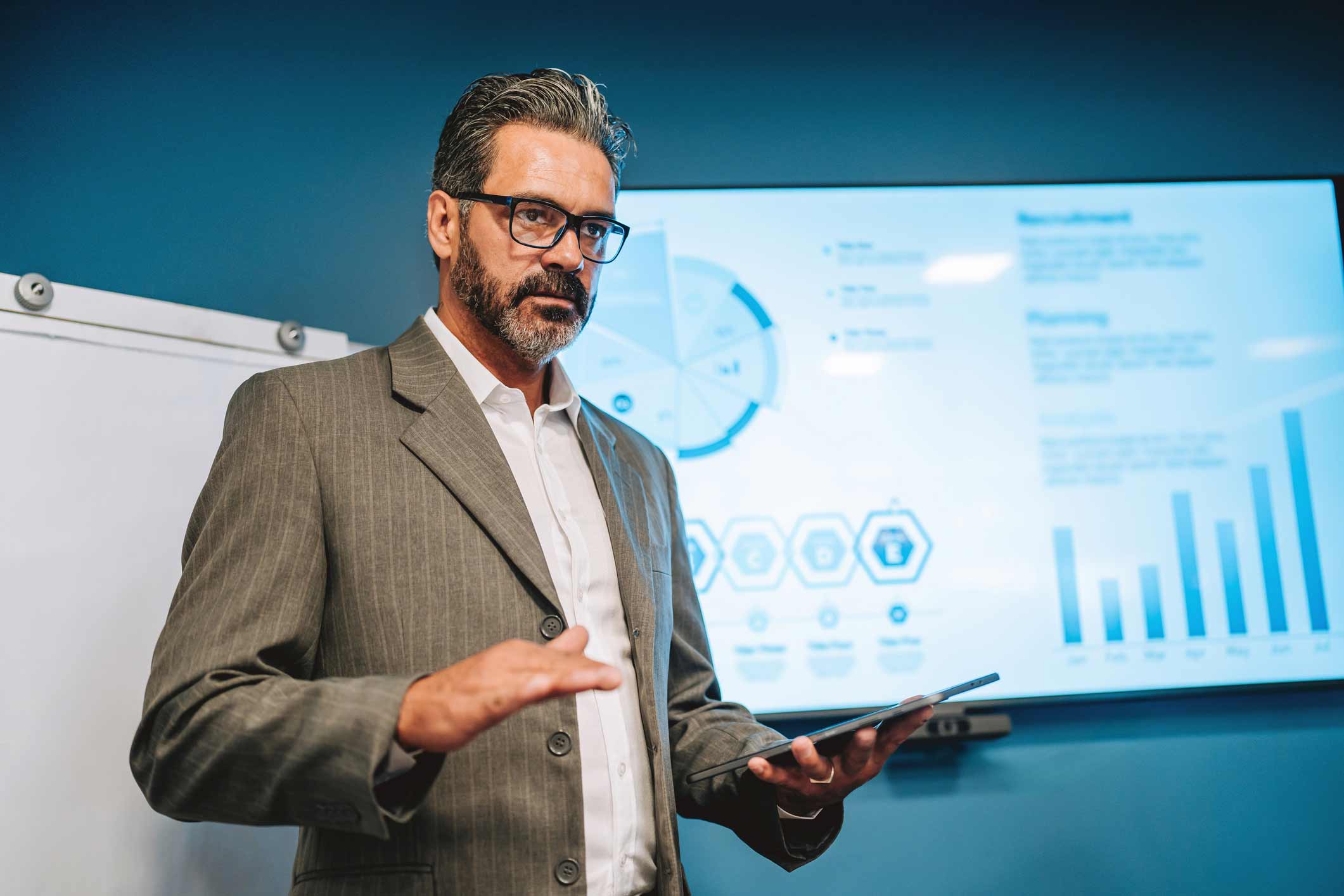
P&C Global then shapes the program alongside the chief AI officer, the operations chiefs, and the quality leadership that answers for what ships. The strategy sequences use cases from the feasible-and-valuable corner outward, sets the accuracy thresholds each application must clear in business terms, and decides the build-buy-partner question per use case rather than wholesale. The labeled-image dataset plan starts here as well — data collection begins on day one, because images gathered early are the compounding asset every later model inherits.

Architecting the Vision Solution & Data Pipeline
Our AI quality control consulting designs the chain from photon to decision: optics and lighting specified for the defect rather than the catalog, an edge-camera architecture that decides what is inferred beside the process on edge computing hardware and what travels for training, and a pipeline that versions every image, label, and model so results can be reproduced and improved. The architecture is designed for the tenth camera on the day the first is mounted — retrofit-proofing that costs little early and everything late.
Implementing Vision Models at the Edge
Deployment happens beside the process, at its speed. P&C Global commissions cameras and compute without disturbing output, trains models on the operation's own imagery, and runs them in shadow against the incumbent inspection until the defect-detection accuracy report settles the question with data rather than enthusiasm. Only then does the system take responsibility — often keeping a person on the judgment calls at the boundary, where a human eye is still the better instrument.

Expanding Vision Use Cases Across Sites & Teams
A vision system that works in one cell is a template waiting to be reused. P&C Global turns the proven application into a kit — optics specifications, dataset patterns, validation protocol — so the next line or site inherits the engineering instead of repeating it, and camera fleets are managed as part of the broader IoT estate rather than as orphaned devices. Local teams are trained to collect and label as they operate, which turns every site into a contributor to the models rather than a mere consumer.

Sustaining Vision Accuracy & ROI
P&C Global wires the fleet against its quietest failure mode: decay. The drift and retraining routine watches accuracy against live conditions and triggers retraining before misses reach the customer; the validation protocol re-certifies each model on a schedule the quality organization co-owns through the quality management review. Returns are counted where the business counts them — escapes prevented, rework avoided, inspection hours redeployed — and reported per camera, per line, per site, so the program's value is never a matter of opinion.